FHFH

Our Work

We act in essential areas that ensure well-being today and hope for the future.
Areas of Work

Our Work Transforms Lives

Through a systemic approach, we seek not only to address immediate needs, but also to transform their root causes. Our work is guided by clear principles: a systemic, family-centered approach, oriented toward social change and value exchange.

salad

Physical and Mental Well-being

Child malnutrition and lack of nearby health services affect children’s development.
16.1% of children under the age of 5 experience stunted growth; in rural areas, this figure rises to 23.7%.
water-conservation

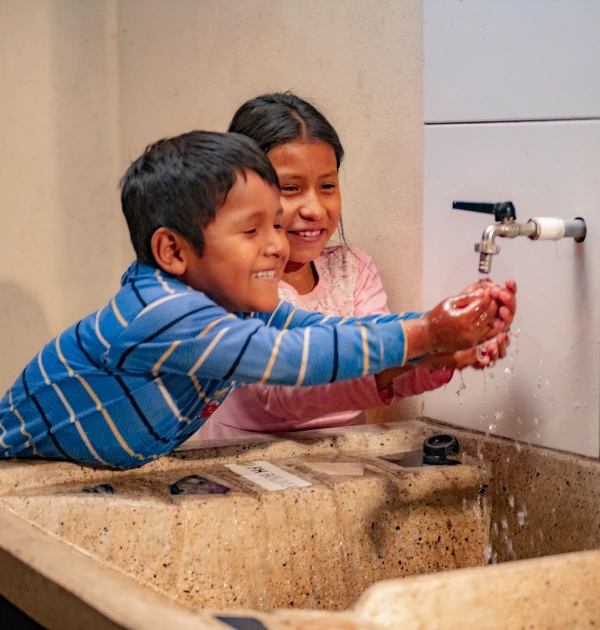
Water, Sanitation and Hygiene (WASH)

Many communities lack access to safe drinking water at home, limiting daily health and well-being.
Around two million people in Bolivia do not have access to drinking water in their homes.
learning, reading, knowledge, book, study

Productive Learning

Young people drop out of school due to lack of resources, and geographic and economic barriers.
The secondary school dropout rate was 2.4% in 2024.

Livelihoods

Many families live with unstable incomes and no savings, making it difficult to plan for a better future.
More than 60% of jobs in Bolivia are considered informal.
Shape Image

Area: Physical and Mental Well-being

Ensures that individuals and families are healthy in body and mind, resilient in the face of shocks, and able to contribute productively to their communities.

2000 +

children received nutritional follow-up.

85%

of families improved their hygiene and nutrition practices.

1500+

women participated in maternal and child health workshops.

120+

communities with malnutrition prevention programs.

Area: Water, Sanitation and Hygiene (WASH)

Improves equitable, safe, and sustainable access to safe water, sanitation, and adequate hygiene, with an emphasis on contexts of vulnerability and emergency. It strengthens local systems, promotes community resilience, and fosters the inclusion of marginalized groups, ensuring that WASH interventions contribute to public health, human dignity, and the sustainable transformation of systems.

Shape Image

5000 +

families now have access to safe drinking water.

200+

community water systems implemented or improved.

3000+

households built family bathrooms and laundry areas.

70%

of communities reduced waterborne diseases.

Shape Image

Area: Productive Learning

An integrated, learner-centered approach that connects education with real life. Girls, boys, and young people develop a sense of responsibility, independence, and achievement.

4500 +

children and youth strengthened their academic learning.

300+

teachers trained in innovative methodologies.

90%

of participating students remain in school.

1200+

families received support to secure their children’s education.

Area: Asset Creation

Strengthens the capacities of individuals, households, communities, and organizations to generate and manage monetary and non-monetary assets that enhance their resilience, autonomy, and sustainable economic well-being.

Shape Image

1000 +

families started productive enterprises.

2500+

people participated in savings and financial workshops.

150+

community savings groups formed.

60%

of families increased their household income in the last year.

Shape Image

Area: Humanitarian and Emergency Response

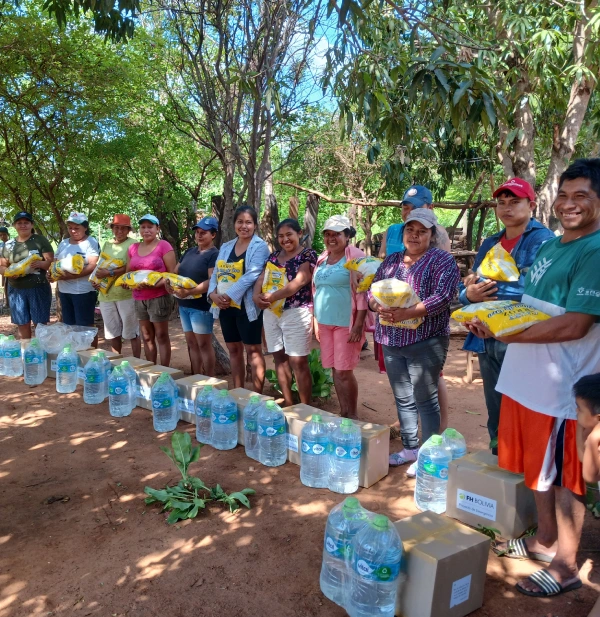
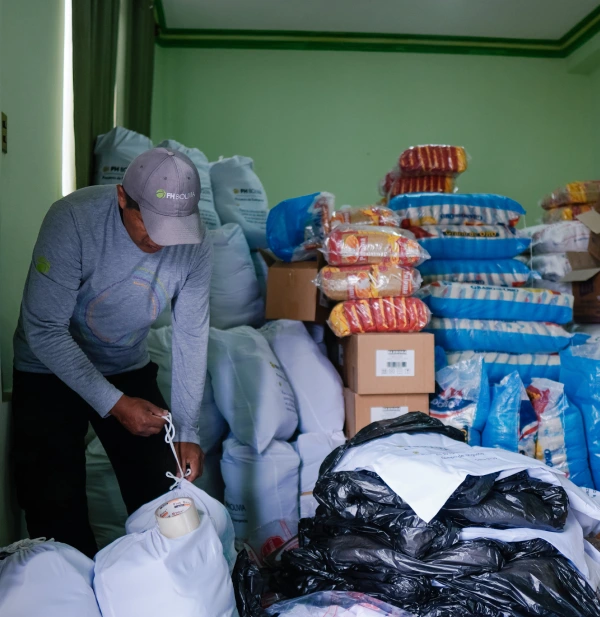
We provide immediate and timely assistance to vulnerable households affected by emergencies, prioritizing food, health, and hygiene items. Our rapid response is integrated with development and resilience-building processes — including preparedness, early recovery, and the strengthening of local systems — to mitigate immediate impacts, protect health, safeguard the dignity of families, reduce future risks, and support sustainable recovery. We act with equity and inclusion, in coordination with local stakeholders and through community feedback mechanisms.

16000+

people assisted during fire and flood emergencies.

7000+

families received immediate humanitarian support.

3000+

families received food and hygiene kits.

2000+

families received seeds to restore their livelihoods.