Please add some widget in Offcanvs Sidebar
We build resilience that enables girls, boys,
families, and communities to thrive.
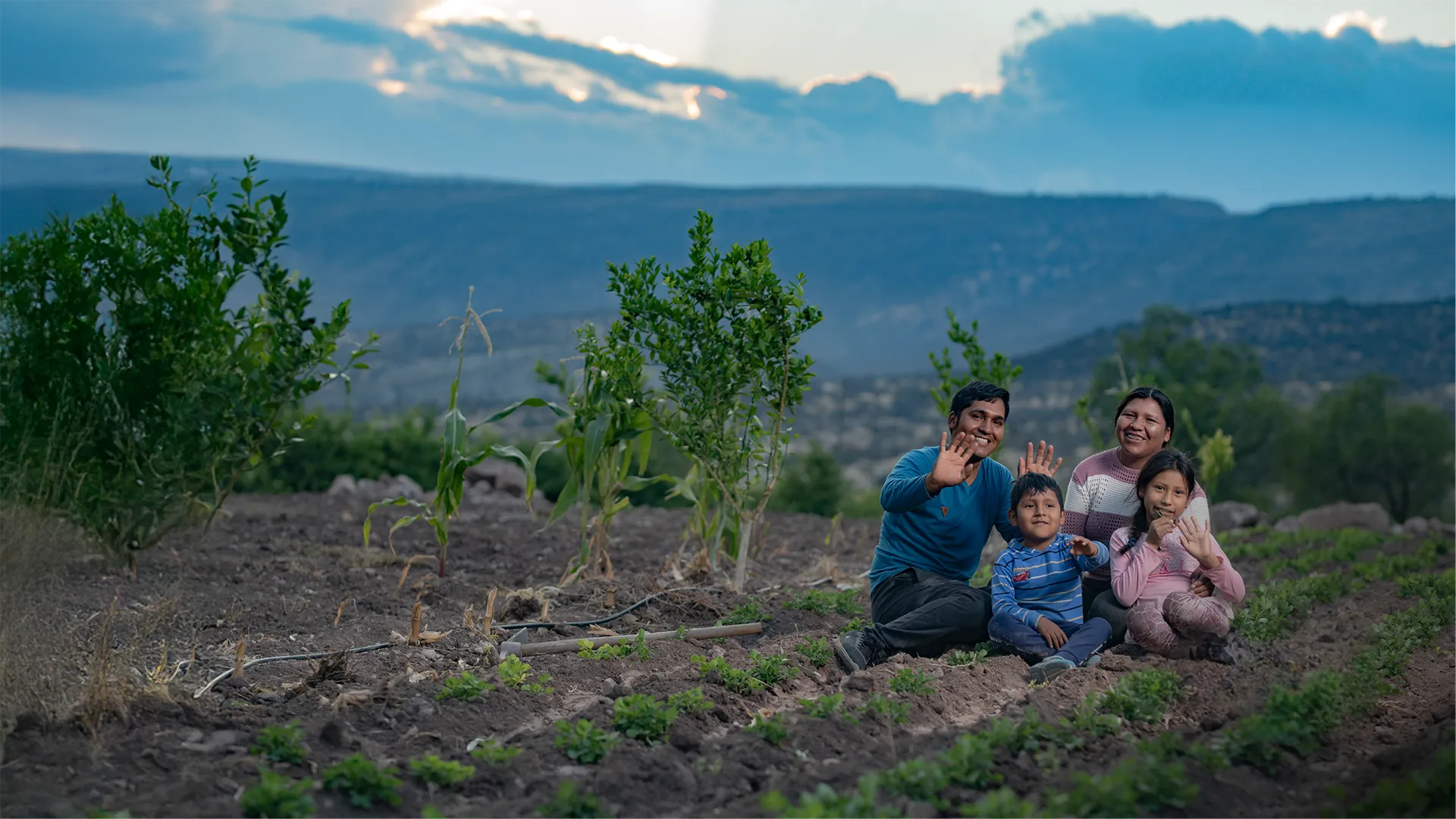
Behind every statistic are faces, stories, and dreams.
Our commitment is to walk alongside families so that their daily
struggles become life-giving opportunities.
When we join forces, poverty does not have the last word.
Change begins with concrete actions that open paths
to dignity and development.


We work in essential areas that ensure well-being today and hope for the future.
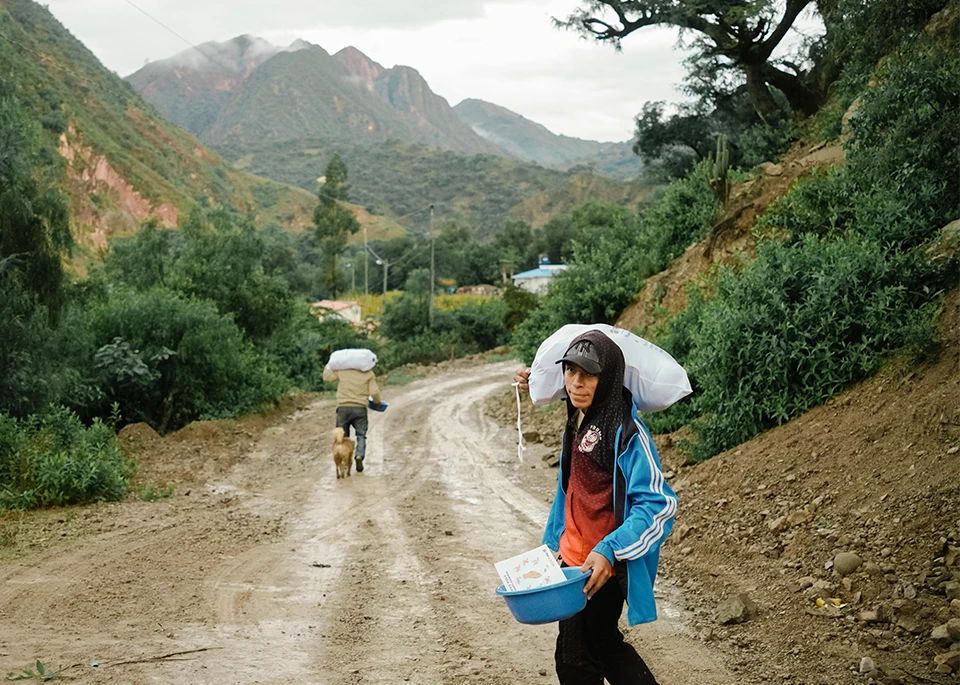
In Bolivia, thousands of families struggle daily with limited access to water, education, health, and opportunities. This is the reality we aim to change.
of the population does not have access to clean drinking water
school-age children do not attend school
De los hogares no tiene asistencia sanitaria.
Es la tasa de analfabetismo
Food for the Hungry Bolivia’s territorial presence covers rural and peri-urban municipalities in the departments of La Paz, Cochabamba, Chuquisaca, and Potosí, including El Alto, Cercado, Poroma, Sucre, Arbieto, Torotoro, Acasio, and San Pedro de Buena Vista. Through close collaboration with communities, we promote initiatives focused on family well-being, resilience, and sustainable development.
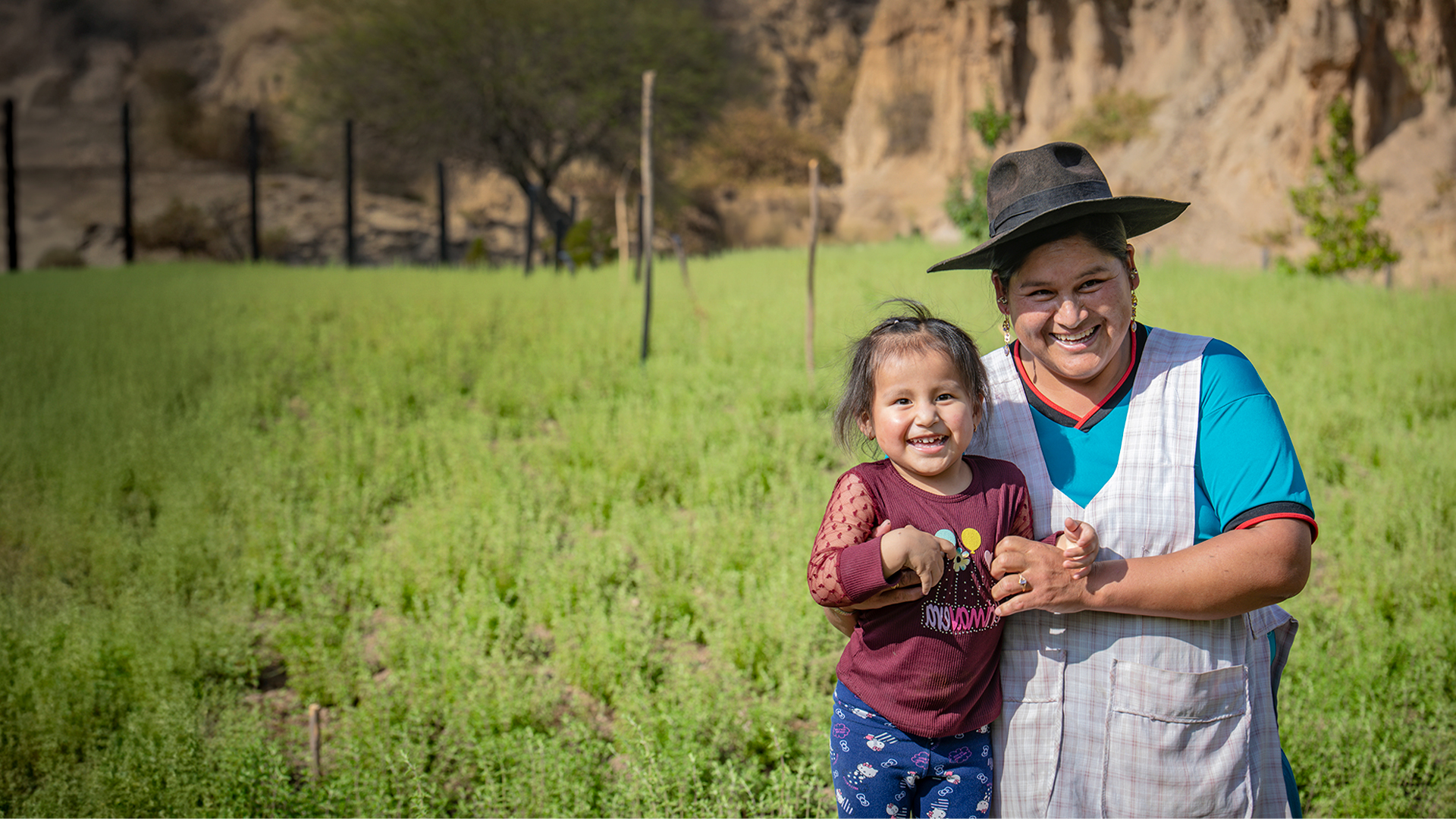
Our work is not measured only in numbers but in lives that find new opportunities to grow and thrive.
We know questions may arise when supporting a cause. That is why we have gathered simple and direct answers here about who we are, what we do, and how we work.
You can support us by joining specific projects, participating in community initiatives, or becoming a partner. Every contribution, big or small, helps more families and communities in Bolivia live with hope.
No. While children are central to our work, we support families and entire communities because we believe sustainable development is achieved when everyone moves forward together.
No. Food for the Hungry is part of an international network present in more than 20 countries. In Bolivia, we work locally with projects designed together with communities to respond to their specific realities.
We measure our impact through indicators in areas such as health, education, access to water, and family and community strengthening. This allows us to track progress, learn, and ensure that every effort produces real and sustainable results.